
Javelina Damage in Tucson Yards: Photos, Repair Costs, and Prevention
If you’ve woken up to overturned trash cans, a shredded drip line, or a fresh hole punched through the bottom of your fence, there’s a good chance a squadron of javelina passed through overnight. These stocky, pig-like animals — actually collared peccaries — are a familiar sight across Tucson, and while they’re part of desert life, the damage they do to yards is real and can get expensive fast. Here’s what javelina damage actually looks like, what it costs to repair, and the prevention steps that keep squadrons moving past your property instead of settling in.
Meet the Culprit: Javelina Behavior in Tucson
Javelina travel in squadrons of six to a dozen or more, following their noses to food and water. They have poor eyesight but an excellent sense of smell, which is why an unsecured trash can or a bowl of pet food will pull an entire squadron into your yard. They’re most active at dawn, dusk, and overnight, especially in the hotter months when they range farther looking for moisture — making irrigated Tucson landscaping a prime target.
They’re also creatures of habit. Once a squadron learns your yard offers an easy meal, they’ll return night after night, and the damage compounds. Breaking that pattern early is far easier than reversing an established one.
What Javelina Damage Looks Like
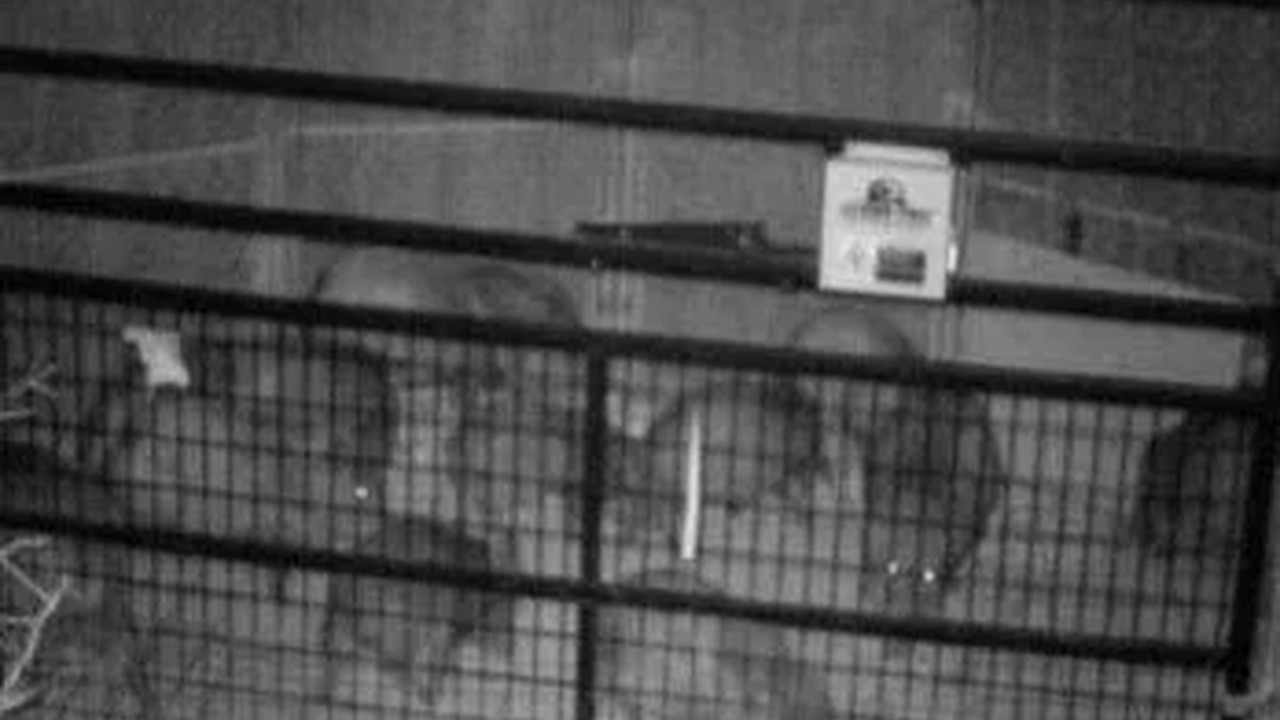
Below are the most common types of javelina damage we’re called out for in Tucson yards.
1. Torn-up trash and scattered debris
The number-one call. Javelina flip trash cans, tear open bags, and scatter garbage across the driveway and yard hunting for food scraps. Beyond the mess and cleanup, they’ll keep coming back to a reliable food source, and the scattered trash draws secondary pests like rodents — which is its own problem worth addressing with rodent control.
2. Chewed and dug-up irrigation
Water is a powerful draw in the desert, and javelina will chew through drip tubing, snap emitters, and dig up shallow irrigation lines to get to it. A single squadron can take out multiple zones in one night, leaving you with leaks, dead plants, and a wet, washed-out mess — plus a water bill spike until the breaks are found and capped.
3. Holes in fences and gates
Javelina are surprisingly strong and built low to the ground. They’ll force their way under or through weak fencing, bend flimsy gates, and enlarge existing gaps until the whole squadron can get through. Once there’s a breach, it becomes a standing invitation — and the repair often means replacing whole sections, not just patching.
4. Trampled and eaten landscaping
Flowering plants, cactus, succulents, vegetable gardens, and fresh sod are all on the menu. Javelina root through beds, eat prized plants down to nubs, and trample what they don’t eat, undoing hundreds or thousands of dollars of landscaping in a few visits.
What Javelina Damage Costs to Repair
Repair costs vary with severity, but here’s a realistic picture of what Tucson homeowners face:
- Trash cleanup and a lidding/securing solution: the cleanup is your time; a secure enclosure or animal-resistant can is a modest but worthwhile outlay.
- Irrigation repair: from minor — replacing chewed tubing and a few emitters — to significant when multiple zones and buried lines are hit. Repeat damage is where the real cost adds up.
- Fence and gate repair: patching one hole is inexpensive; replacing forced-open sections or reinforcing a full perimeter is a larger project.
- Landscaping replacement: often the biggest line item, since mature plants and established beds aren’t cheap or quick to replace.
The pattern that drives cost isn’t a single incident — it’s repeat visits. A squadron that keeps coming back turns a one-time fix into a recurring expense, which is exactly why prevention pays for itself.
How to Prevent Javelina Damage
The goal is simple: remove the food and water rewards, and make your yard hard to get into. Do that, and squadrons move on to easier pickings.
Secure the food sources
- Store trash in animal-resistant cans or a closed enclosure, and only put cans out the morning of pickup — never overnight.
- Feed pets indoors and never leave food bowls outside.
- Pick up fallen fruit, and harvest gardens promptly.
- Never feed javelina. Beyond drawing squadrons and creating bold, habituated animals, feeding javelina is illegal in Arizona. It’s also unsafe — fed javelina lose their fear of people and can become aggressive.
Cut off the water
- Repair irrigation leaks promptly and consider protecting or burying vulnerable drip lines.
- Remove or elevate accessible water sources, especially in the hot months.
Harden the perimeter
- Reinforce fence bases and close gaps — solid fencing that extends to the ground is the most reliable barrier.
- Protect prized beds and gardens with sturdy, low fencing javelina can’t push through.
Add deterrents
- Motion-activated sprinklers and lights startle squadrons and disrupt their routine.
- Because javelina are habit-driven, deterrents work best before a squadron is fully established — another reason to act at the first signs of damage.
Why Not Just Trap or Relocate Them?
It’s a common question, and the answer matters: javelina are protected game animals managed by the Arizona Game and Fish Department, and trapping or relocating them is restricted and generally must be coordinated with the state. It’s also rarely a lasting fix on its own — if the food, water, and access that drew one squadron remain, another simply takes its place. Effective, durable javelina control is about deterrence, exclusion, and removing the attractants, not hauling animals away. That’s the approach that actually keeps them out for good.
When to Call a Professional
If a squadron has made your yard a regular stop, if the damage keeps recurring despite your best efforts, or if you’re dealing with bold, habituated animals that don’t spook easily, it’s time for a professional assessment. Our team will walk your property, pinpoint the attractants and entry points you might miss, and build a prevention and exclusion plan matched to your yard — coordinating with the appropriate agencies where a persistent problem animal calls for it.
Learn more about our javelina control service, or explore our full range of wildlife removal options. Ready to stop the nightly damage? Request a property assessment and we’ll help you get your yard off the squadron’s route for good.