
What Does Rattlesnake Fencing Cost in Tucson? A Real Quote Breakdown
If you’ve had one too many close calls with a rattlesnake in the yard, you’ve probably wondered whether snake fencing is worth it — and what it actually costs. It’s a fair question, and most companies won’t give you a straight answer without a sales visit first. So let’s break it down honestly: what rattlesnake fencing costs in Tucson, what drives the price up or down, what’s included in a real quote, and how the math compares to paying for snake removal call-outs year after year.
The short version: most residential rattlesnake fencing projects in the Tucson area land somewhere between $8 and $18 per linear foot installed, depending on the factors below. A typical backyard perimeter runs a few hundred feet, so many homeowners see a total in the low-to-mid four figures. But the per-foot number alone doesn’t tell the story — where your money goes matters more than the headline rate.
How Rattlesnake Fencing Is Priced
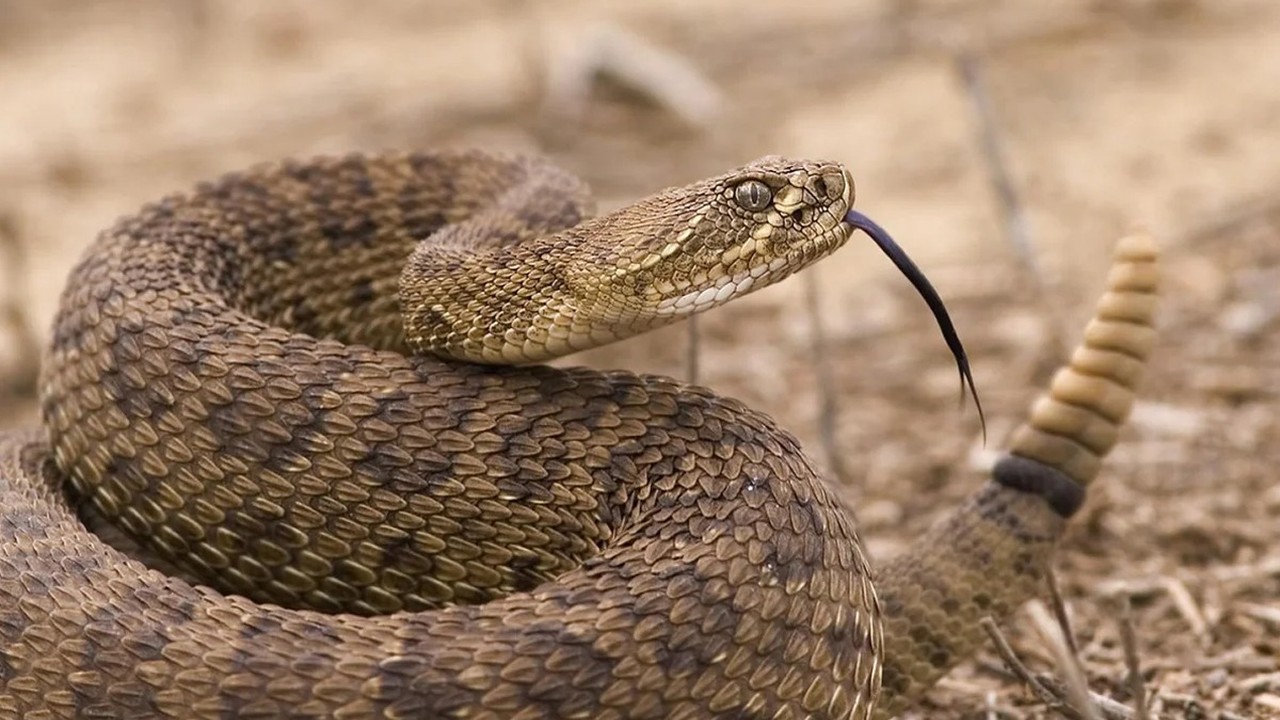
Snake fencing is almost always quoted by the linear foot, then adjusted for site conditions. That per-foot rate bundles materials and labor, and it swings based on a handful of variables:
1. Total linear footage
The biggest single driver. Longer runs cost more in total but often less per foot, because crews can work efficiently on open, straight stretches. Short, choppy runs with lots of corners cost more per foot.
2. Mesh type and quality
Effective snake fencing uses a fine galvanized steel mesh — typically quarter-inch hardware cloth or a heavier welded wire — that even young rattlesnakes can’t pass through. Cheaper plastic mesh exists, but it degrades fast in Arizona sun and fails within a few seasons. Higher-grade, UV-stable, rust-resistant steel mesh costs more up front and is the difference between a barrier that lasts a decade and one you replace in three years.
3. Attaching to existing fence vs. standalone
If you already have block wall, chain-link, or wrought iron, snake mesh can often be attached to and buried at the base of the existing fence — the most economical option. A fully standalone fence, or retrofitting a fence in poor condition, adds cost.
4. Ground conditions and burial
Good snake fencing is buried several inches and/or bent outward into a buried apron so snakes can’t push underneath. Caliche, rock, tree roots, and hardpan — all common in Tucson — make trenching slower and push labor cost up. Soft, sandy soil is faster and cheaper.
5. Gates and access points
Gates are where most snake fences fail, so they need special treatment: gate-bottom inserts, brush seals, or purpose-built snake-proof gate kits. Each gate adds materials and labor, and the number of gates on your property has a real effect on the total.
6. Slope, drainage crossings, and obstacles
Where the fence line crosses a wash or drainage, the barrier has to block snakes while still letting water through — that takes custom work. Steep slopes, mature landscaping, and utility obstacles all add time.
What Should Be Included in a Real Quote
A transparent rattlesnake fencing quote should spell out every one of these — if it doesn’t, ask. Here’s what a complete Animal Experts fencing quote covers:
- Site inspection and measurement — walking the full perimeter, identifying entry gaps, and measuring exact linear footage rather than eyeballing it.
- Fine galvanized steel mesh rated to stop rattlesnakes of all sizes, UV-stable and rust-resistant for Arizona conditions.
- Proper base treatment — burial or a buried outward apron so snakes can’t get under the fence.
- Gate inserts and seals for every gate and access point on the property.
- Attachment hardware and secure fastening to existing walls or posts.
- Drainage and wash crossings handled so water flows but snakes don’t.
- Cleanup and haul-away of trench spoil and materials.
- A follow-up inspection after installation to confirm there are no missed gaps — the step cheap installers skip.
Beware the low bid that leaves out base burial, gate treatment, or the follow-up inspection. A fence with an unsealed gate or a two-inch gap underneath isn’t a snake fence — it’s a fence with a snake door.
The ROI: Fencing vs. Repeat Snake Removal Calls
Here’s the comparison most homeowners are really trying to make. A single emergency rattlesnake removal call-out has a real cost every time it happens — and if your property sits near a wash or natural desert, “every time” can mean several visits a summer, year after year. Those costs never stop and never build equity.
Rattlesnake fencing is a one-time investment that keeps working every season. When you add up several removal call-outs a year over the life of a quality fence — roughly a decade for good steel mesh — the fence typically pays for itself within a few seasons for homes with recurring snake activity. And that math doesn’t even count the value most people care about most: not having to worry every time their kids or dogs go into the backyard during monsoon.
Fencing also pairs well with snake avoidance training for dogs. The fence keeps most snakes out; the training protects your dog on walks and in the rare event one still gets through. Together they’re a far more complete solution than reacting to sightings one at a time.
Is Rattlesnake Fencing Worth It for Your Property?
Fencing makes the most sense if you back up to desert, a wash, or a natural area; if you’ve had repeat sightings; if you have children or pets who use the yard; or if you simply want to stop paying for snake removal reactively. It’s less essential for interior lots with block walls on all sides and no history of snakes — though even those benefit from base sealing.
Get an Honest Quote
Every property is different, which is why a real number requires a look at your specific perimeter, soil, and gates. We’ll walk your property, measure the actual footage, flag the entry points, and give you a transparent, itemized quote with no pressure. Learn more about our rattlesnake fencing service, or request a fencing quote and we’ll get you a real breakdown for your yard.